Spicemas, Grenada's carnival, reaches its climax in the second week of August, but the economic activity around it runs for months. Mas bands design and sell costumes from early in the year, soca artistes release songs and book shows, promoters stage fetes almost every weekend in July and August, and the diaspora fly home, filling guesthouses and hire cars. Food vendors, sound system operators, security firms, printers, seamstresses, make-up artists and drink suppliers all depend on the season.
Beyond carnival, Grenada's creative economy includes music recording and performance, visual arts, crafts, fashion, photography and video, and cultural festivals such as Carriacou's Maroon and String Band Music Festival and Carriacou's own pre-Lenten carnival. For entrepreneurs, these are real markets with real money, but they are also seasonal, informal in places and exposed to weather, competition and cash-flow strain. This piece looks at how the business side works.
How the Spicemas season works as a market
The Spicemas Corporation, a statutory body, organises and manages the official carnival calendar, including the competitions, the parade routes and the main shows such as the Soca Monarch, Groovy Monarch and Panorama steelband competitions, alongside the street events: J'ouvert with its jab jab bands covered in oil, Monday Night Mas with lights, and the Tuesday Parade of the Bands. Much of the money, however, flows through private businesses operating around that framework.
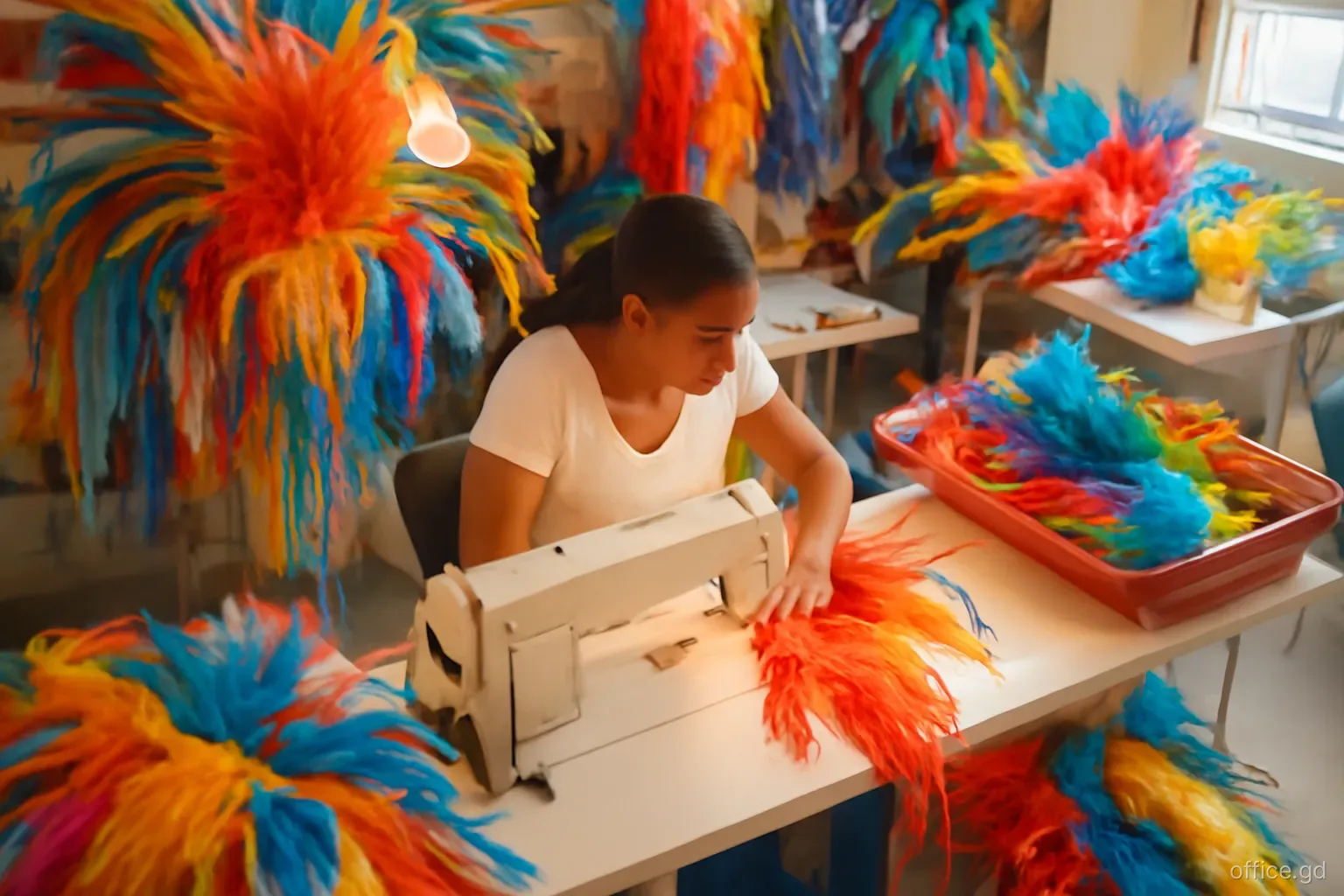
Mas bands are businesses in their own right. A band commissions designers, buys fabric, feathers and beads, rents a mas camp, hires seamstresses and builders, books a music truck and DJ, arranges drinks and security on the road, and sells costume packages to masqueraders. Promoters rent venues, book artistes and sound systems, and sell tickets for fetes. Hotels, guesthouses and short-term rentals fill with returning nationals and Caribbean visitors, and food and drink vendors set up along the routes and at venues. The season concentrates a large share of annual income for many creative workers into a few weeks. For those who plan well, it funds equipment, materials and training for the rest of the year; for those who do not, one bad season can wipe out a year of savings.
Ways to earn from the season
Running or supplying a mas band. Bands need designers, costume builders, seamstresses, wire benders, make-up artists, logistics and security. Supplying materials, including feathers, fabric, beads and body paint, is a business in itself, though almost all of it is imported, so ordering early matters.
Event promotion. Fetes and parties are the most visible business, and also the riskiest: venue hire, artiste fees, sound, lighting, security, permits and marketing are paid up front, while ticket revenue depends on weather, competing events and buzz.
Sound and stage services. Sound systems, lighting, staging, generators, music trucks and portable toilets are rented to bands, promoters and the authorities. Reliable equipment and technicians are hard to find at peak times.
Food, drink and vending. Vendors on the parade routes and at venues serve large crowds over long days and nights, but need Environmental Health clearance and any permits required for vending on public roads.
Media and content. Photography, video, live streaming and promotion for bands, artistes and sponsors have grown with social media, and good content travels well to the diaspora.
Permits and paperwork to plan for
Creative and event businesses deal with more permits than most, and lead times can be long in the busy season. A typical event or band operation should plan for these steps, confirming current requirements with each agency:
- Register the business with CAIPO and obtain a taxpayer number from the Inland Revenue Division; ticket sales and paid services may be subject to VAT depending on turnover.
- Apply to the Royal Grenada Police Force for permission for public events, road use and any extended hours, well before the date.
- If selling alcohol, secure the necessary liquor licence or occasional licence for the event, which follows its own application process.
- Obtain Environmental Health clearance for food and drink vending, including food handler permits for staff.
- Arrange licences for public performance of recorded music through the Eastern Caribbean Copyright Organisation for Music Rights (ECCO), which represents rights holders in the region.
- Book security, first aid and fire safety arrangements appropriate to the size of the crowd, and insure the event.
- Register any workers with the National Insurance Scheme, including seasonal staff.
Copyright and getting paid for creative work
Musicians, designers and other creators in Grenada often lose income because their work is used without payment or because rights are never formally secured. Copyright exists automatically in original works, but practical protection depends on records: dated recordings, design files, contracts and registrations with collective management organisations. ECCO collects royalties for public performance and broadcast of music by its members across the Eastern Caribbean, and it is worth artistes and songwriters joining it. Trademarks for band names and brands can be registered with CAIPO.
Contracts matter as much as rights. Artistes should have written agreements for performances that set out the fee, deposit, set length, travel and cancellation terms. Designers should agree who owns a costume design and whether it can be reused. Photographers and videographers should agree on usage rights before a shoot, not after the images circulate. These practices are less common in the informal parts of the creative sector, which is exactly why those who adopt them stand out with sponsors, hotels and overseas bookers.
Risks and how to manage them
Creative businesses built around a festival face particular risks, and planning for them separates sustainable operations from one-off gambles:
- Cash flow. Costume materials, deposits for artistes and venue hire are paid months before income arrives. Deposits from masqueraders and early ticket sales reduce exposure.
- Weather. August falls in the hurricane season, and a storm or heavy rain can cancel or shrink events. Insurance and clear refund policies help.
- Competition and clashes. Too many fetes on the same night split the crowd. Check the calendar before committing to a date.
- Import delays. Late shipments of costume materials or equipment can leave a band unable to deliver what it sold.
- Concentration. Earning most of a year's income in a few weeks leaves little margin for a bad season. Diversify into year-round work such as weddings, corporate events, studio work or tourism shows.
- Safety. Crowd management failures cause injuries and reputational damage that outlast the season.
Year-round creative opportunities
The creative economy does not stop after the last lap of the Parade of the Bands. Hotels and cruise visitors buy local art, crafts and live entertainment, and tourism shows such as cultural evenings and steelband performances are booked through the high season. Weddings and corporate events need photographers, decorators, musicians and planners year round. Local brands and government bodies commission video, design and content. Carriacou has its own festival calendar, including its pre-Lenten carnival and the Maroon and String Band Music Festival, though businesses there were badly affected by Beryl, so check what is operating before planning anything on the sister islands.
Support exists, though it is patchy. The Ministry responsible for culture and the creative industries, the Spicemas Corporation and regional bodies have run grant schemes, training and export promotion for creative entrepreneurs at various times, and development partners have funded creative industry projects in the region. Keeping proper accounts, registering the business and building a portfolio make it far easier to access these opportunities when they appear.
Sponsorship is the other source of money that creative businesses underuse. Drinks companies, telecom providers, banks and other large firms sponsor bands, shows and artistes during the season, but they expect a professional proposal: audience numbers, what the sponsor receives, how exposure will be delivered and a report afterwards with photographs and video. A band or promoter that supplies that report on time is far more likely to be sponsored again the following year.
Frequently asked questions
When is Spicemas held?
Spicemas reaches its climax in the second week of August, with J'ouvert, Monday Night Mas and the Tuesday Parade of the Bands, but fetes, competitions and band launches run through July and earlier. Businesses supplying the season start preparing months in advance, often from the start of the year.
Is a permit needed to hold a fete or party in Grenada?
Public events generally need police permission, and selling alcohol requires the appropriate liquor licence. Food vending needs Environmental Health clearance, and playing recorded music publicly involves licensing through ECCO. Apply early, because demand for permits peaks in the carnival season.
What is ECCO and should Grenadian musicians join?
The Eastern Caribbean Copyright Organisation for Music Rights is a collective management organisation that licenses public performance and broadcast of music and distributes royalties to members. Songwriters and composers who join it can earn income when their music is played publicly in the region.
How do mas bands make money?
Mas bands sell costume packages that typically include the costume and services on the road such as drinks, music and security. Income depends on numbers of masqueraders and sponsorship, while costs include materials, labour, music trucks and permits. Many bands run on tight margins.
Is the creative economy only about carnival?
No. Music production, visual arts, crafts, fashion, photography, video, weddings, corporate events and tourism entertainment provide year-round work. Carnival is the biggest single season, but creative businesses that rely on it alone are exposed to a poor year or bad weather.