Grenada governs a sea area many times larger than its land, and the government has for years promoted the idea of a blue economy: earning more, and more sustainably, from fishing, marine services, coastal tourism and the ocean itself. Policy documents talk about growth corridors and investment pipelines. On the ground, the opportunities that are realistic for a small or medium business are more specific and more modest, but they are real.
This article sets out where those opportunities lie, how the main marine industries work, which agencies regulate them and what tends to go wrong. It is written for entrepreneurs and small investors rather than for large infrastructure projects, and it treats the sea as a working environment, not a postcard.
How the marine economy is organised
Fishing in Grenada is dominated by small-scale fishers working from open boats and small decked vessels. Gouyave in St John is the best-known fishing town, with Grenville, Melville Street in St George's, Sauteurs, Victoria and communities on Carriacou also active. Catches range from yellowfin tuna and other pelagic species taken by longline and trolling to reef fish, conch and lobster. The Fisheries Division of the Ministry responsible for fisheries licenses fishers and vessels, manages fish markets and enforces closed seasons and size limits.
The second pillar is yachting. The bays along the south coast, from Prickly Bay and Mount Hartman Bay to Woburn, Clarkes Court Bay and St David's Harbour, hold marinas, boatyards and anchorages, and many cruising sailors use Grenada as a base during the hurricane season because it lies near the southern edge of the main storm track. Tyrrel Bay on Carriacou has its own haul-out and yachting community. The third pillar is coastal tourism: diving, snorkelling, sailing day trips and beach-based activity, much of it around the Molinière-Beauséjour Marine Protected Area and the reefs of the south and Carriacou.
Openings for small and medium businesses
Fish handling and processing. Much of the catch is sold whole and fresh, often with little chilling. Businesses that improve ice supply, cleaning, filleting, vacuum packing and freezing can sell to hotels, restaurants and supermarkets that want consistent, safe product. Value is added between the boat and the plate.
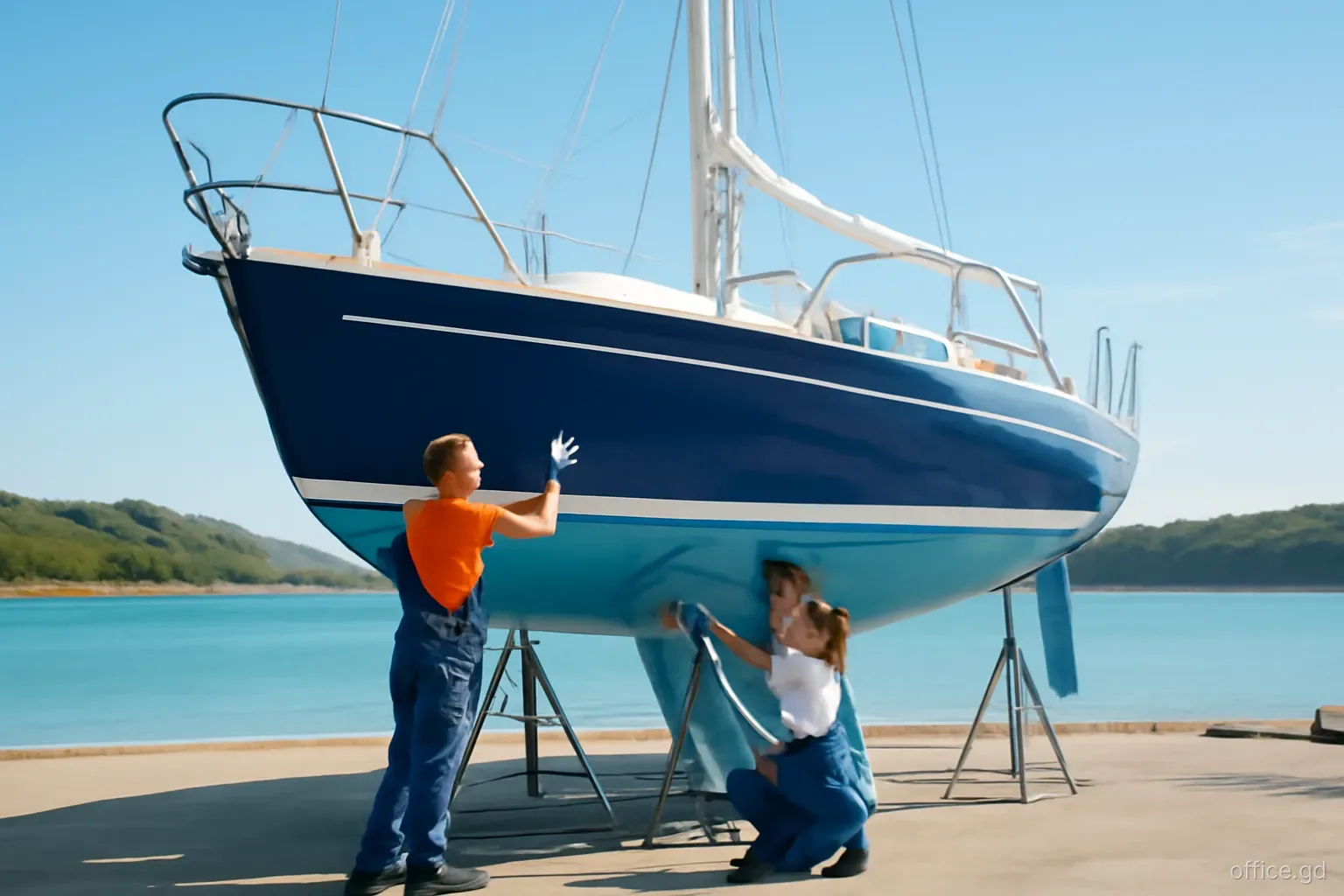
Marine trades. Yacht owners need marine mechanics, electricians, refrigeration technicians, riggers, sailmakers, upholsterers, welders, painters and carpenters. Skilled tradespeople who are reliable and fairly priced are in short supply, particularly during the busy months.
Yacht support services. Provisioning, laundry, water taxis, guardianage for boats left on the hook or on the hard, and project management for owners who are abroad all draw on local knowledge rather than heavy capital.
Sea moss and aquaculture. Seaweed farming, especially sea moss, has attracted growing interest for local drinks and export. Small-scale trials have taken place in the region; production standards, sites and permissions need to be checked with the Fisheries Division before starting.
Marine eco-tourism. Snorkel and kayak tours, glass-bottom trips and guided reef walks that respect protected area rules suit operators who can deliver small groups and strong interpretation.
A closer look at the marine trades
Of all the blue economy openings, skilled marine trades are probably the most dependable for an individual or a small team. A visiting yacht that hauls out for the hurricane season typically needs antifouling, engine servicing, rigging inspection and a list of small repairs, and owners who leave their boats for months want someone trustworthy to manage the work. Yards in the south of Grenada and at Tyrrel Bay employ their own staff but also rely on independent contractors, and good contractors are booked well ahead in the busy months either side of the hurricane season.
Entry costs are mainly tools, transport and training. Marine diesel, outboard and electrical qualifications, together with manufacturer certification for common engine brands, carry real weight with yacht owners. The Grenada National Training Agency and T.A. Marryshow Community College have offered technical programmes relevant to the sector, and some yards train apprentices. What wins repeat business is clear written quotes, photographs of work in progress sent to absent owners, and invoices that match the quote. Disputes over unauthorised extra work are the most common source of bad reputation among marine contractors in the region, so agree changes in writing before doing them.
Rules, permits and protected areas
Commercial fishing requires vessel and fisher registration with the Fisheries Division, and there are closed seasons and minimum sizes for species such as lobster and conch. Grenada also has marine protected areas, including Molinière-Beauséjour on the west coast and areas around Carriacou such as Sandy Island and Oyster Bed. Activities inside them, including commercial tours, may require permits and fees, and certain types of fishing or anchoring are restricted. A business built around these areas has to work within their management rules from the outset.
Boats carrying paying passengers need to meet safety and licensing requirements set by the maritime authorities and the Grenada Ports Authority, and operators need suitable insurance. Coastal construction, such as a jetty, slipway or shoreline workshop, requires approval from the Physical Planning Unit and may involve environmental assessment. Foreign crews and technicians working on yachts in Grenada need the appropriate immigration permission; working on a visiting boat is not automatically exempt. Exporting fish or seafood products brings further requirements, including health certification and the rules of the destination market. Requirements change, so confirm each one with the agency concerned before investing.
Risks particular to the sea
Marine businesses carry risks that land-based ventures largely escape. The main ones to plan for are:
- Hurricanes and storm surge. Hurricane Ivan in 2004 and Hurricane Beryl in July 2024, which caused severe damage on Carriacou and Petite Martinique, showed how quickly boats, docks and waterfront buildings can be lost.
- Sargassum seaweed influxes, which in some years foul beaches and bays, block engine intakes and disrupt fishing and tourism on the windward coast.
- Fluctuating catches and fuel costs, which squeeze the margins of fishing and processing businesses.
- Insurance cost and availability for marine assets, which can be high or restricted after major storms.
- Dependence on the visiting yacht fleet, whose numbers depend on regional security perceptions, insurance company rules about where boats may spend the hurricane season and wider economic conditions.
- Corrosion and equipment wear in a salt environment, which shortens the life of engines, electronics and tools.
Where support and finance come from
Blue economy projects often qualify for support that ordinary businesses do not. Regional and international development partners have funded fisheries improvements, climate resilience and marine conservation in Grenada, and some of that money has flowed to fisher co-operatives and small businesses through grants and technical assistance. The Grenada Development Bank has lent to fishing and marine ventures, and credit unions in fishing communities are often familiar with the cash flows involved.
Fisher co-operatives and associations are worth engaging with even if you are not a fisher yourself. They can be suppliers, partners or customers, and they are often the route through which equipment programmes and training reach the sector. For yachting businesses, the marinas and boatyards themselves are the main source of customers, and building a relationship with yard managers is usually more important than any advertising. The Grenada Investment Development Corporation can advise on incentives for larger marine investments, while the Grenada Tourism Authority is relevant for anything sold to visitors as an experience.
Before applying for any loan or grant, prepare the basics a lender will ask for: proof of registration with CAIPO and the Inland Revenue Division, NIS compliance if you employ staff, quotes for the boat, engine or equipment you want to buy, insurance quotations, and a realistic estimate of how many days a year the business can actually operate once weather, maintenance and the off-season are taken into account. Marine businesses that present a conservative operating calendar are taken more seriously than those that assume work every day of the year.
Frequently asked questions
What does blue economy mean in Grenada?
It refers to economic activity based on the ocean and coast, including fishing, aquaculture, yachting, marine services, coastal tourism and conservation, carried out in ways that protect marine resources. Grenada has promoted it as a priority growth area in national planning documents.
Is a licence needed to fish commercially in Grenada?
Yes. Commercial fishers and their vessels must be registered with the Fisheries Division, and fishing must follow rules on closed seasons, minimum sizes and protected areas. Requirements for exporting seafood are separate and stricter, so check them before planning any overseas sales.
Why do so many yachts spend hurricane season in Grenada?
Grenada lies near the southern edge of the main Atlantic hurricane belt, so many insurers and sailors regard it as a lower-risk place to keep a boat from June to November. Lower risk is not no risk, as storms such as Ivan and Beryl showed.
Are there opportunities in sea moss farming?
Interest in sea moss has grown for drinks, health products and export. Farming it at commercial scale needs suitable sites, permissions from the Fisheries Division, attention to water quality and a reliable market. Start small and confirm requirements before investing in large-scale lines.
Can foreign technicians work on yachts in Grenada?
Foreign nationals working for payment in Grenada, including on visiting yachts, generally need immigration permission such as a work permit. Rules can differ for crew working on their own vessel, so confirm the position with the immigration authorities before accepting paid work.