Commercial leases in Grenada range from a single page drafted by a landlord to a full document prepared by an attorney for a bank or a large building. Whatever the format, the same handful of clauses decides who pays when the roof leaks, what happens after a hurricane, and whether you can leave early if the business changes. Tenants who sign quickly, often relieved to have found suitable space, tend to discover these terms only when something goes wrong.
This checklist walks through twelve clauses worth reading closely before signing. It is written for tenants, though landlords may find it useful too. It does not replace legal advice; for a long lease, a significant fit-out or premises in a building with several tenants, have a Grenadian attorney review the draft. Commercial leases are largely a matter of negotiation, so many of the points below are things to ask for, not just things to check.
Money: rent, increases and extras
1. Rent and currency. Confirm the amount, the currency (EC or US dollars), when it is due, how it is paid and whether the first payment covers one month or several. Some landlords ask for rent in advance for a quarter or longer, and some want post-dated cheques for the year.
2. VAT and other taxes. Ask whether the rent is subject to VAT and whether the quoted figure includes it. Commercial rents can be treated differently from residential rents. If the landlord is VAT-registered, a VAT-registered tenant may be able to recover the VAT, but only with proper invoices. Also ask who pays property tax on the premises.
3. Rent review. Look for how and when rent increases: a fixed percentage each year, a review to market rent every few years, or at the landlord's discretion. Discretionary increases leave a tenant exposed; a fixed or capped increase is easier to budget.
4. Service charges. In multi-tenant buildings, check what is charged for security, common-area electricity, cleaning, water, waste collection and maintenance, how your share is calculated and whether you can see the accounts behind it.
Space: term, use and alterations
5. Term and renewal. Short leases of one or two years give flexibility but little security, especially after a costly fit-out. Longer terms give security but commit you. A middle path is a shorter term with an option to renew on agreed terms, which you must exercise in writing by a set date.
6. Permitted use. The lease should allow the use you actually intend. A clause limiting the premises to "offices" can stop you opening a retail counter or a training room. Check also that the use is lawful under planning rules for that building.
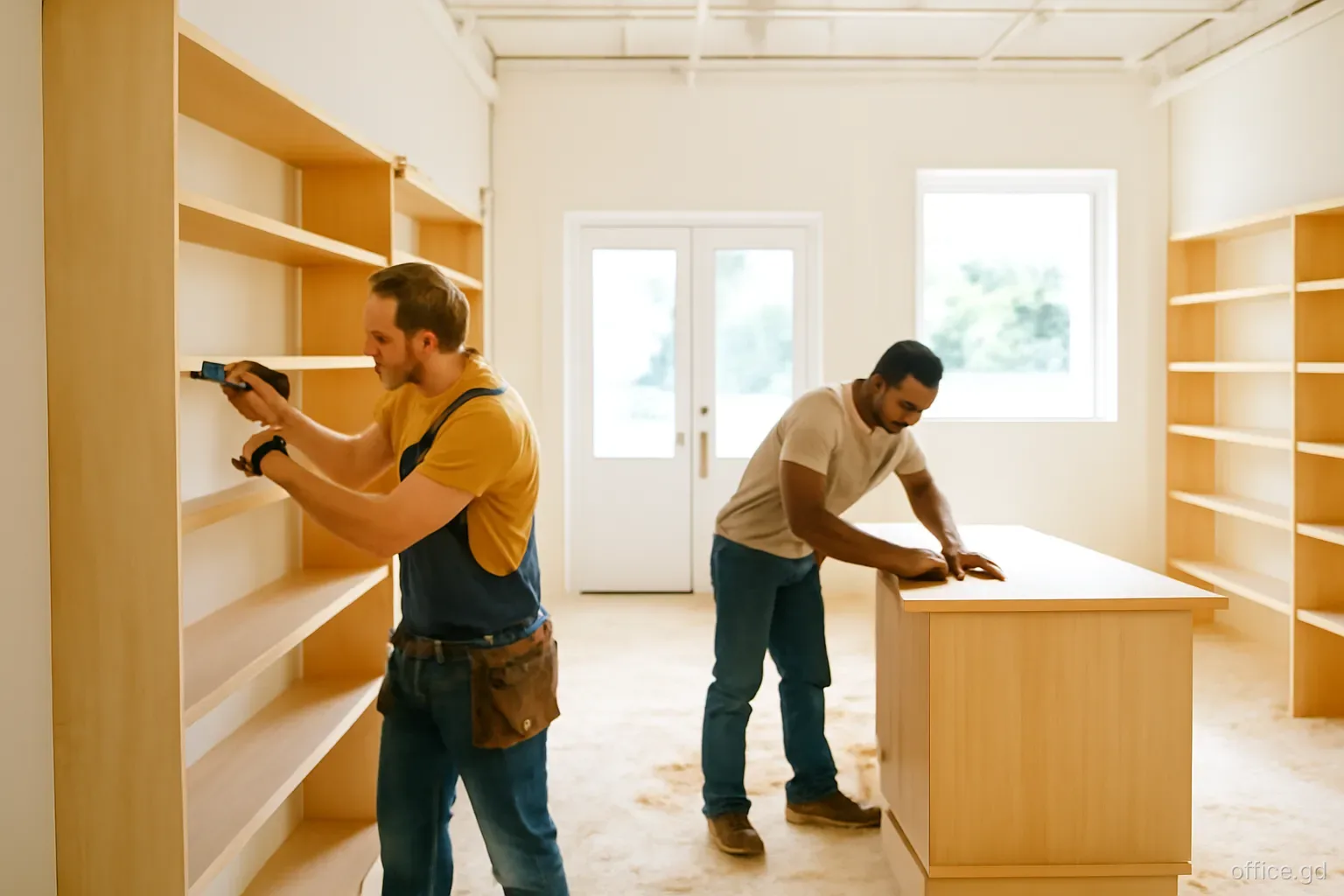
7. Alterations and fit-out. Most leases require the landlord's written consent for alterations. Agree in advance what works you will do, who owns fixtures at the end and whether you must remove them and restore the space. Negotiate a rent-free period if you are paying for a substantial fit-out.
8. Assignment and subletting. If you might sell the business, merge or share the space, you need the right to assign or sublet with consent not to be unreasonably withheld. Without it, the lease may block a sale of the business.
Risk: repairs, storms and insurance
9. Repairs. This is where disputes concentrate. The typical split leaves structural repairs, the roof and main services to the landlord and interior repairs to the tenant, but drafting varies widely. Pin down who handles roof leaks, termite damage, air conditioning units, plumbing, electrical faults and the water tank, and how quickly the landlord must respond.
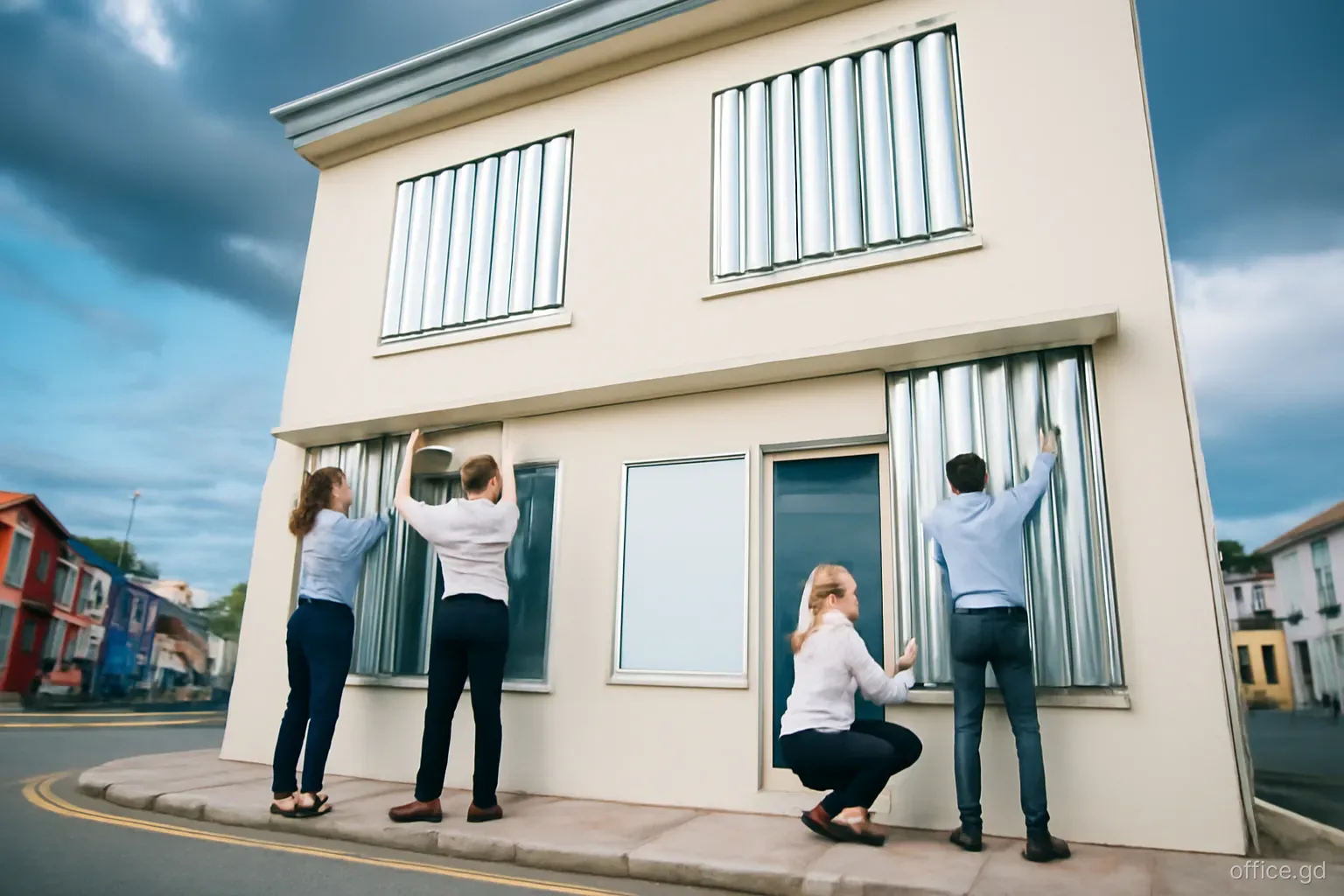
10. Hurricane and damage clause. In Grenada this clause matters more than almost any other. It should say what happens if the premises are damaged by a hurricane, flood or fire: whether rent is suspended while the space is unusable, how long the landlord has to repair, and whether either party can end the lease if repairs take too long. After Hurricane Ivan in 2004 and Hurricane Beryl in 2024, many tenants found their leases silent on these points.
11. Insurance. The landlord normally insures the building; the tenant insures contents, stock, equipment and public liability. Check whether the lease requires particular cover and whether you must name the landlord on your policy. Confirm that the landlord's cover includes windstorm, as some policies exclude or limit it.
12. Deposit, breaks and ending the lease
Security deposits are common, often equal to one or more months' rent. The lease should state when the deposit is returned, what deductions may be made and how disputes over deductions are settled. Photograph and list the condition of the premises at the start, signed by both parties, so the end-of-lease inspection has a reference point.
A break clause allows either party, or just the tenant, to end the lease early on notice, sometimes only after an initial period. For a new business, a break option after the first year or two can be worth paying a slightly higher rent for. Read the conditions carefully: some breaks require all rent paid and the premises returned in full repair, and a tenant who misses a small condition may lose the right.
Finally, check the termination provisions: how much notice the landlord must give for non-payment or breach, whether you have a chance to remedy, and what happens to your fixtures and goods if the lease ends. A landlord's right to lock out a tenant without warning is a serious red flag.
Before you sign
A short routine protects you from the most common surprises.
- Confirm who owns the property. Ask for evidence of title or authority, especially if the person offering the lease is an agent or a relative of the owner.
- Check whether there is a mortgage on the property and whether the lender's consent to the lease is required.
- Visit the premises after heavy rain and at different times of day to check leaks, drainage, noise and parking.
- Ask the landlord which internet providers serve the building and confirm with the providers themselves.
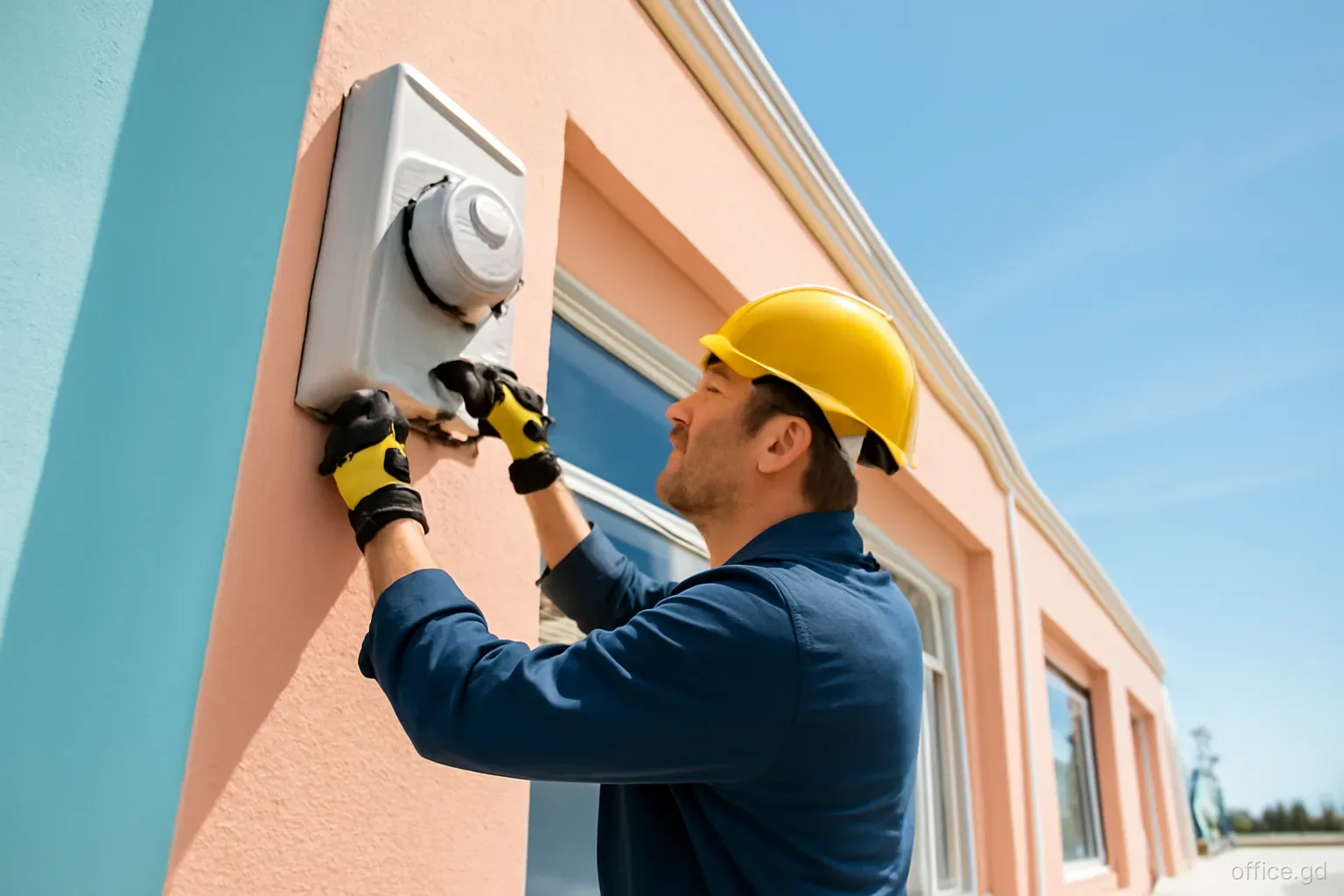
- Read the electricity and water meters at handover and agree in writing whose name the accounts will be in.
- Have an attorney review leases of more than a year or with significant fit-out costs, and ask whether the lease needs to be stamped or registered.
- Keep a signed original in a safe place and a scanned copy off-site.
Negotiation in practice
Grenada's commercial property market is small, and many landlords are individuals or families rather than large property companies. That has advantages: decisions are quick, and a reasonable tenant with a sensible request often finds the landlord flexible. Ask for what you need, explain why, and offer something in return, such as a longer term in exchange for a rent-free fit-out period, or taking on interior repairs in exchange for a fixed rent.
Put every agreement in writing, even small ones. Verbal promises to fix the air conditioning, paint before handover or reduce rent during a slow season are frequently forgotten or remembered differently. A short signed side letter or an amendment to the lease avoids argument.
Building a good relationship with the landlord pays off over the years. Paying on time, reporting maintenance problems early and leaving the space in good condition make it far easier to negotiate renewals, extra space or help after a storm. When the landlord lives overseas, as is common with property owned by Grenadians in the diaspora, ask who acts for them locally, who will approve repairs and how quickly. A lease that names a local agent with authority to deal with maintenance and emergencies saves a great deal of frustration, particularly in the days after a storm when decisions must be made fast.
Frequently asked questions
How long are typical commercial leases in Grenada?
Terms vary. Small offices and shops are often let for one to three years, sometimes with options to renew. Larger premises and those requiring substantial fit-out may justify longer terms. Negotiate a length that matches how long you need to recover your investment.
Is VAT charged on office rent in Grenada?
It can be. The VAT treatment of commercial rent depends on the law and on whether the landlord is VAT-registered. Ask the landlord directly whether the quoted rent includes VAT, and confirm with the Inland Revenue Division or an accountant if you plan to recover it.
Who pays for repairs after a hurricane?
It depends on the lease. Usually the landlord repairs the structure using building insurance, while the tenant covers contents. The lease should say whether rent stops while the premises are unusable and when either side can end the lease. Negotiate this clause before signing.
Should a commercial lease be reviewed by a lawyer?
For short, simple leases of small premises many tenants proceed without one. For anything longer than a year, involving significant fit-out costs or in a shared building with service charges, a Grenadian attorney's review is advisable and usually costs much less than a dispute.
Can a landlord increase rent during the lease?
Only if the lease allows it. Check for a rent review clause setting out when and how increases happen. If the lease is silent, rent generally stays fixed for the term. Increases at renewal are a matter for negotiation.