Many commercial spaces in Grenada are let as shells: bare walls, a concrete floor, basic electrics and perhaps a toilet. Turning one into a working office, shop, clinic or café is a project in its own right, involving approvals, contractors, imported materials and, often, more time than the business plan allowed. Owners who budget carefully for rent but treat the fit-out as a few weeks of painting are regularly caught out.
This guide covers the main decisions in fitting out commercial premises: when approval is needed from the Planning and Development Authority, how to choose and manage contractors, fire and safety requirements, the realities of importing materials and a realistic timeline. Requirements depend on the scale of works and the type of business, so confirm with the relevant authorities before work starts.
When building approval is needed
Building and development in Grenada are controlled under planning legislation administered by the Planning and Development Authority. Structural alterations, extensions, new openings in external walls, changes to the building's footprint and material changes of use generally need approval before work starts. A shop converted into a restaurant, or a house into a clinic, is likely to need it; painting, new flooring and freestanding furniture usually do not.
Applications typically require drawings prepared by an architect, engineer or qualified draughtsperson, and sometimes structural calculations. Approval takes time, so build it into the schedule rather than starting work and hoping to regularise later. Unauthorised works can attract enforcement action and may cause problems with insurance and when selling or refinancing the property.
In a rented building the landlord is the owner and will usually need to sign or consent to the application. The lease should require the landlord's cooperation for approved fit-out works. Get the landlord's written approval of the plans before submitting anything to the authorities.
Other approvals and inspections
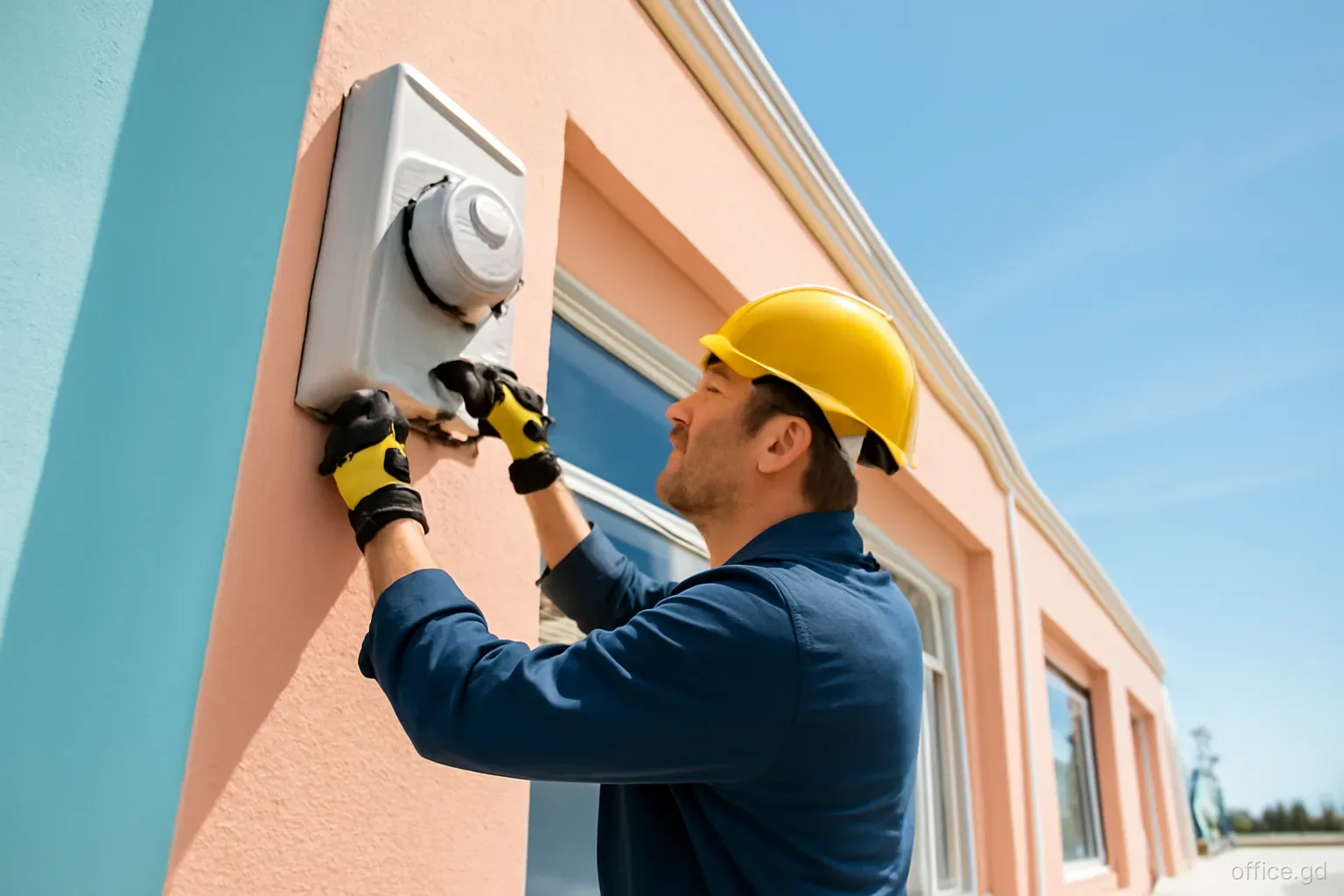
Electrical installation. New or altered electrical work should be carried out by a licensed electrician and is generally inspected before GRENLEC connects or reconnects supply. Allow time for the inspection and any corrections.
Fire safety. Commercial premises, particularly those open to the public, are expected to have adequate exits, extinguishers, emergency lighting and, depending on size and use, alarms. Ask the Fire Department, part of the Royal Grenada Police Force, what applies to your premises and whether an inspection is required before opening.
Health and food premises. Restaurants, cafés, bakeries, salons and clinics are subject to environmental health requirements on surfaces, ventilation, sinks, waste and pest control. Involve the environmental health authorities at the design stage, not after the counters are built.
Signage. Large, illuminated or projecting signs may need approval and the landlord's consent. Check before ordering.
Access. Consider ramps and wide doorways for customers with disabilities. Even where not strictly required for your premises, accessible design widens your market.
Choosing and managing contractors
Grenada has capable builders, carpenters, electricians and plumbers, and good ones are busy. Ask for recommendations from other business owners, look at recent work, and get at least two or three written quotations based on the same drawings and specification. A quotation without a clear scope invites disputes; one that specifies materials, finishes and what is excluded is far easier to manage.
Put the agreement in writing. Include the scope, price, payment schedule tied to completed stages rather than dates, start and finish dates, who supplies materials, how variations are priced and approved, clean-up and a defects period. Avoid paying large sums upfront; a reasonable deposit for materials, then stage payments, protects both sides.
Visit the site often, ideally daily, and keep a simple log with photographs. Decisions made casually on site, such as moving a wall socket or changing a tile, add up. Record each one with its cost. If the project is large, an architect or project manager supervising on your behalf can pay for themselves in avoided mistakes.
Materials, imports and lead times
Many fit-out materials are imported: tiles, sanitary ware, lighting, air conditioning units, glass, flooring, specialist fixtures and much furniture. Local hardware suppliers carry a good range, but stock levels vary and specific items may need to be ordered from abroad, often from the United States, Trinidad and Tobago or further afield. Shipping, customs clearance and delivery to site can take weeks.
Imported goods attract customs duty and other charges at the border, and VAT, unless a concession applies. Some investment projects approved through the Grenada Investment Development Corporation may qualify for duty concessions on equipment and materials; ask before importing, as concessions usually require approval in advance. A customs broker can handle clearance and advise on classification and duty.
Order long-lead items as soon as drawings are final, and do not let the builder start finishing work that depends on items still at sea. Keep spare tiles and fittings from the same batch for future repairs, as matching later can be difficult.
A realistic timeline
Every project differs, but a typical office or shop fit-out in Grenada moves through these stages. Allow buffers between them:
- Design and quotations. Agree the layout, prepare drawings and obtain contractor quotations.
- Approvals. Submit applications to the Planning and Development Authority where required and obtain the landlord's consent. This stage is often the longest and least predictable.
- Ordering. Order imported items and long-lead materials as soon as designs are fixed.
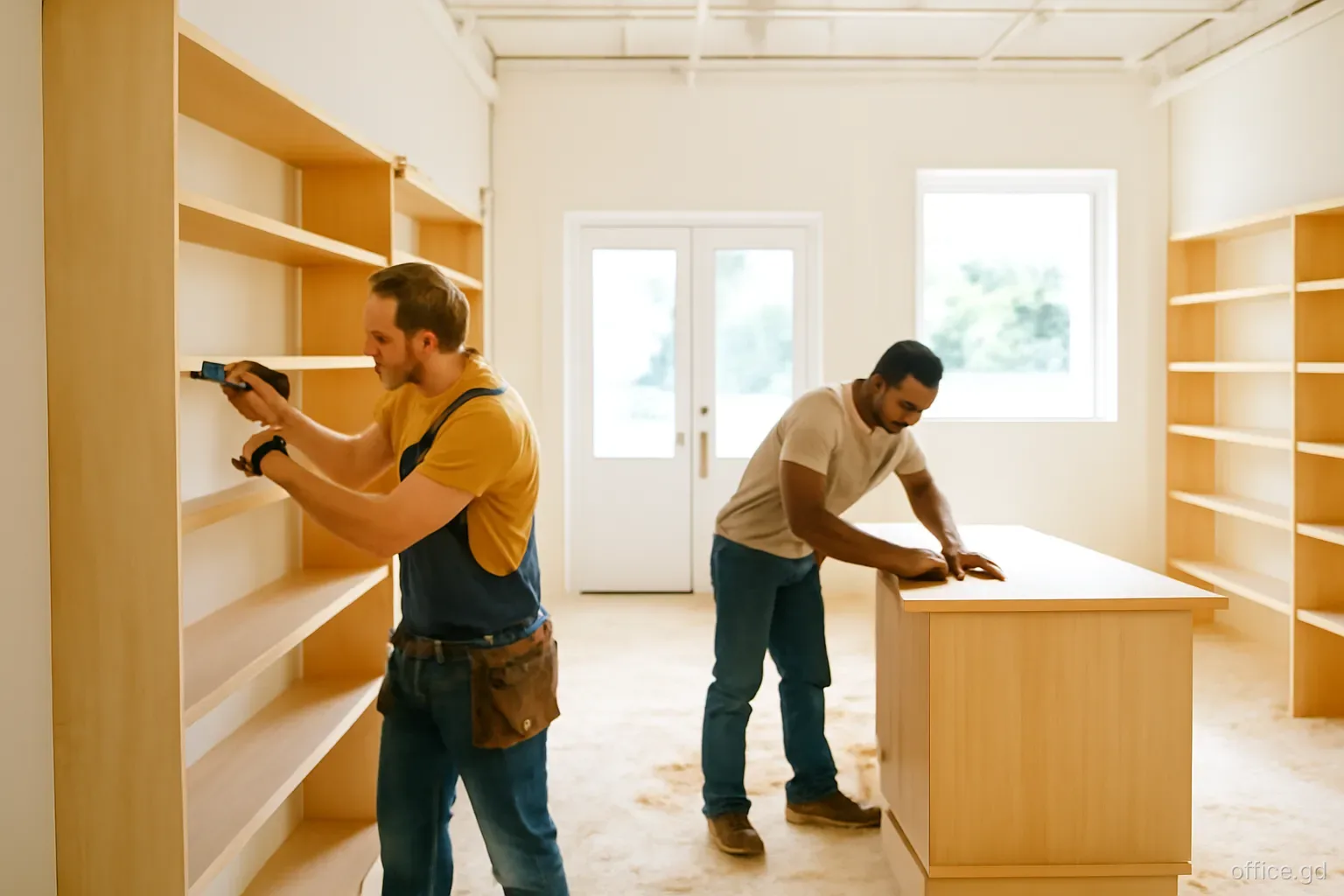
- Construction. Structural and services work first, then walls, ceilings, flooring and finishes.
- Installations. Air conditioning, lighting, internet cabling, security systems and fixtures.
- Inspections. Electrical, fire and health inspections as applicable, with time to correct defects.
- Snagging and move-in. Walk through with the contractor, list defects, and fix them before final payment.
Designing for the climate
A fit-out that works in a temperate city can struggle in Grenada. Heat, humidity, salt air near the coast, heavy rain and occasional hurricanes all affect materials and layout. Choose finishes that tolerate moisture: tiles and sealed concrete rather than carpet, moisture-resistant boards in bathrooms and kitchens, and furniture that will not swell or rot. Termite-resistant or treated timber is worth the cost for anything built in.
Ventilation and cooling deserve thought from the start. Position air conditioning units where they can be serviced, size them for the afternoon heat rather than the morning, and consider ceiling fans to reduce the load. Where the building allows, louvred windows and cross-ventilation can keep circulation areas comfortable without air conditioning. Shade on west-facing glass reduces heat gain significantly.
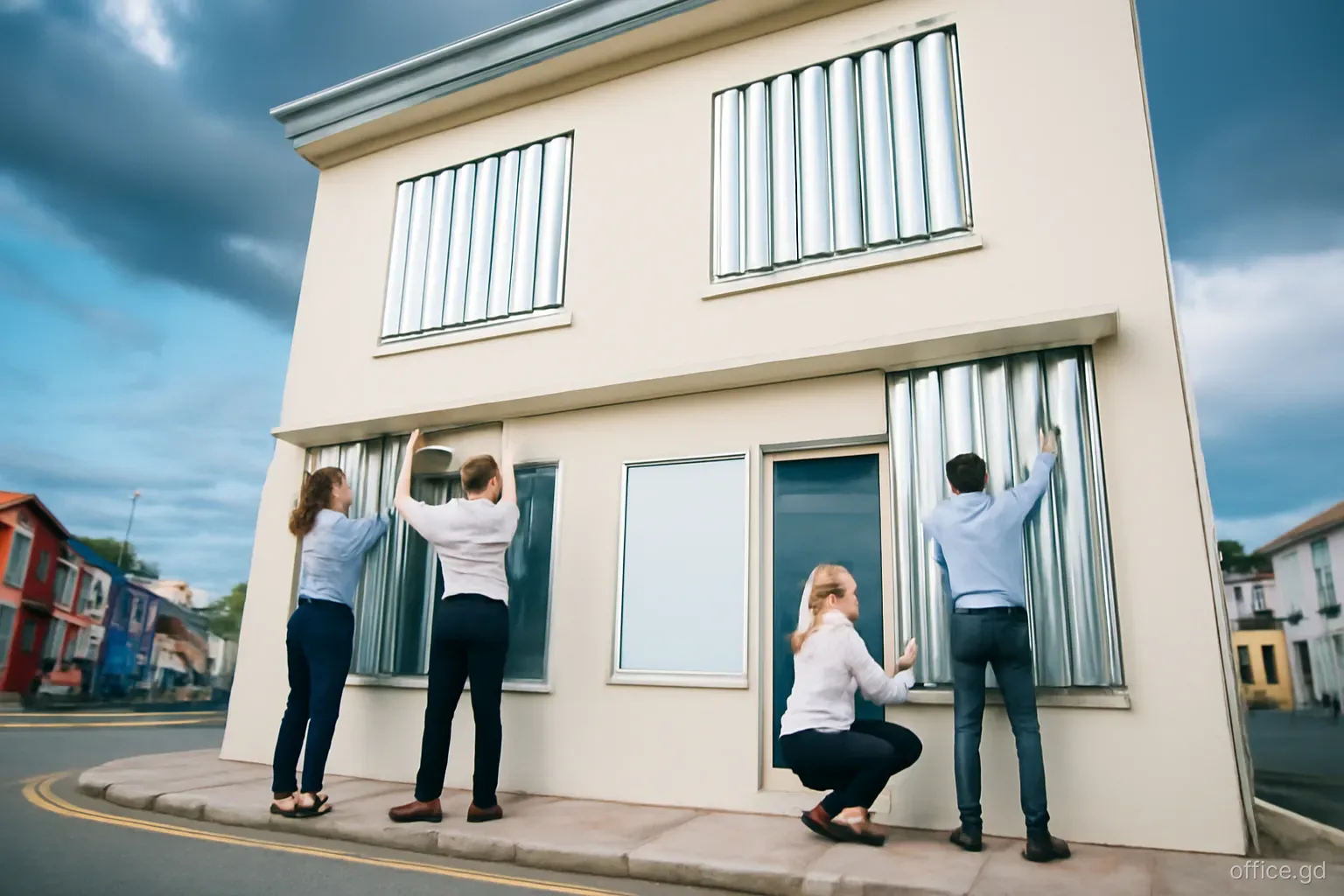
Plan for storms. Keep servers and electrical panels above floor level, fix shelving to walls, choose a layout that lets you move valuable equipment into an interior room quickly, and make sure shutters or boards can be fitted over every window and glazed door.
Pitfalls to avoid
Starting work before approvals and the landlord's written consent is the most expensive mistake, as works may have to stop or be undone. Underestimating timelines is a close second: a fit-out that should take six weeks can take three months once approvals, imports and inspections are counted, and rent is usually running throughout. Negotiate a rent-free period that reflects reality.
Avoid paying contractors far ahead of progress, and avoid informal arrangements where nothing is written down. Ensure the contractor has insurance for injuries on site.
Finally, think about the end of the lease. Expensive fixtures installed in a rented space may belong to the landlord when you leave, or you may be obliged to remove them and restore the space. Agree in the lease what happens to fit-out works, and keep receipts for tax purposes, as fit-out costs may qualify for capital allowances. Ask an accountant how to record fit-out spending from the start, because improvements to rented premises are treated differently from repairs, and a clear file of invoices makes the year-end accounts far easier to prepare.
Frequently asked questions
Is planning approval needed to renovate an office in Grenada?
Cosmetic works such as painting and new flooring usually do not need approval. Structural changes, extensions, new external openings and changes of use generally do. Check with the Planning and Development Authority before starting, and get the landlord's written consent in a rented building.
How long does an office fit-out take in Grenada?
Simple refreshes may take a few weeks. Larger projects involving approvals, imported materials and inspections can take several months. The approval stage and shipping times are the main sources of delay, so build buffers into the plan and negotiate rent-free time accordingly.
Are import duty concessions available for fit-out materials?
Some approved investment projects can obtain concessions on duty for equipment and materials, typically through an application to the Grenada Investment Development Corporation and approval before goods arrive. Ordinary small fit-outs usually pay standard duties and VAT. Ask before ordering.
How should payments to a contractor be structured?
Agree a modest deposit for materials, then stage payments tied to completed and inspected work, with a final payment after snagging. Put it in a written agreement with the scope, timetable and variation procedure. Avoid paying the bulk of the price upfront.
Who owns the fit-out at the end of a lease?
It depends on the lease. Fixtures may become the landlord's property, or the tenant may have to remove them and restore the space. Agree this before you build, and record it in the lease or a side letter signed by both parties.