The Atlantic hurricane season runs from 1 June to 30 November, and Grenada has learnt its lessons the hard way. Hurricane Ivan in September 2004 damaged the large majority of buildings on the island, and many businesses in St George's took months to reopen. Hurricane Beryl in July 2024 devastated Carriacou and Petite Martinique and caused damage in the north of Grenada. Businesses that had prepared, with backups, insurance and a plan, recovered faster than those that had not.
Preparing an office is not complicated, but it has to be done before the season, not in the twenty-four hours before a storm, when shops run out of plywood and staff are preparing their own homes. This guide sets out what to do in May, what to do when a storm is forecast, and how to reopen afterwards. Follow official guidance from the National Disaster Management Agency (NaDMA) and the Grenada Meteorological Service when a storm threatens.
Know your building
Start with the structure. Ask the landlord, or an engineer if you own the building, how the roof is fixed: hurricane straps or clips tying roof to walls make a large difference in high winds. Check for loose sheets, rusted fixings, overhanging trees and blocked gutters and drains. A building that survived Ivan in 2004 has a track record; one built or roofed since may or may not meet the standards that apply today.
Windows and doors are the weak points. Find out whether the building has shutters, impact-resistant glass or fitted fixings for boards, and where the shutters or boards are stored. If they are missing, agree with the landlord now who will supply them; the lease should say who is responsible for storm protection.
Look at the ground too. Offices on low ground near the coast or close to rivers and ravines are exposed to flooding and storm surge, as seen in parts of the island during past storms. Raise equipment off the floor, and do not keep servers or records at ground level if the building has ever flooded.
A May checklist for the office
Set a date before 1 June each year to work through these items. A small business can usually complete them in a day.
- Review insurance: confirm the building and contents policies cover windstorm and flood, check deductibles, which for windstorm are often a percentage of the insured value, and update the list of insured equipment.
- Photograph and video the office, equipment and stock, and store the files off-site, to support any claim.
- Back up all business data to cloud storage, and test that you can actually restore files from the backup.
- Check shutters, boards and fixings, and that someone knows how to install them.
- Service the generator, if there is one, and arrange fuel; test UPS batteries.
- Trim trees near the building and clear gutters and drains.
- Update the staff contact list, including personal mobiles and emergency contacts, and decide how you will communicate if networks are down.
- Prepare a grab box holding key documents, a laptop, chargers, a list of passwords stored securely and copies of insurance policies.
When a storm is forecast
Decide early. Set a clear trigger for closing, such as a tropical storm watch for Grenada, and tell staff and clients. Waiting until the last minute leaves staff on the road while they should be securing their homes and families.
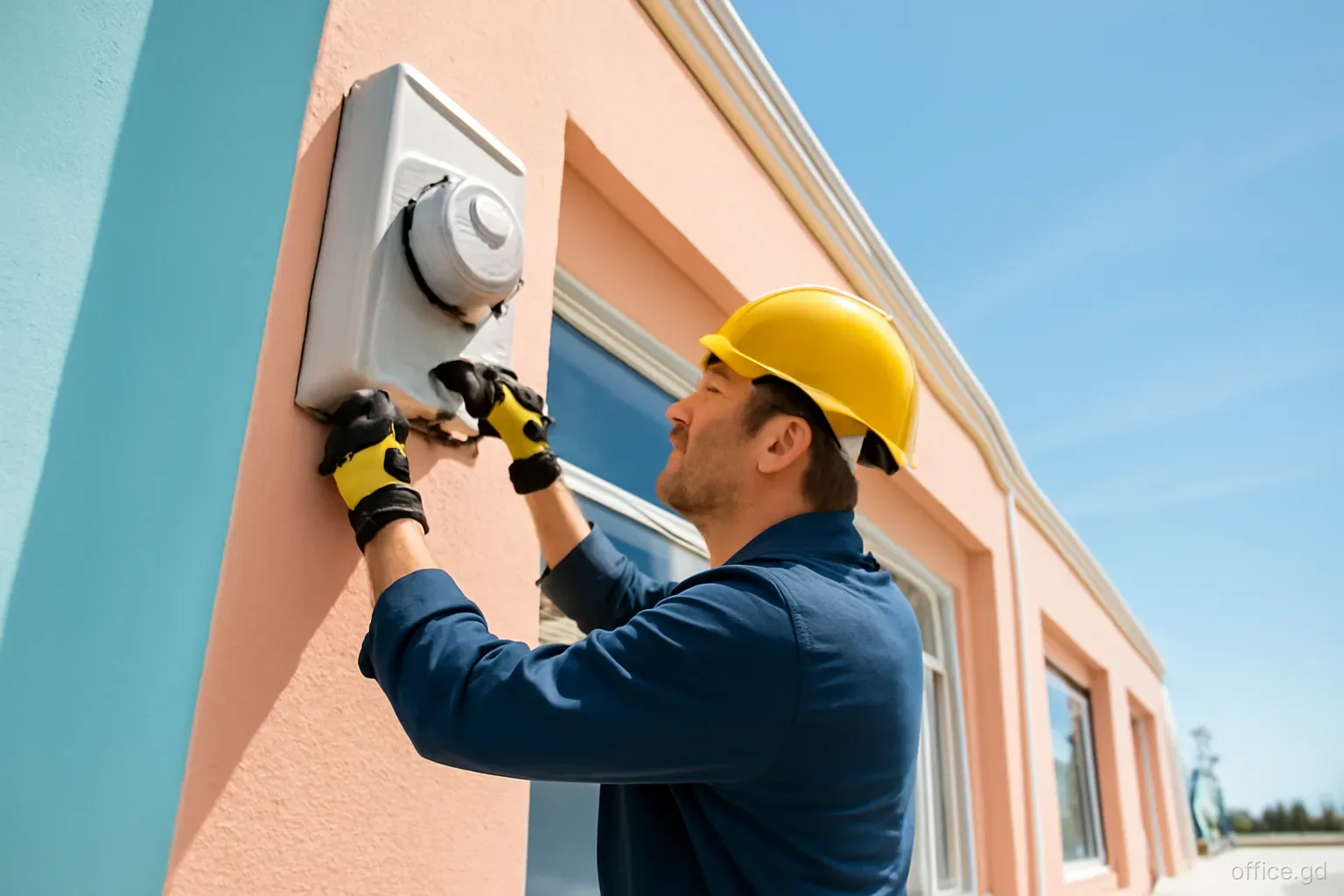
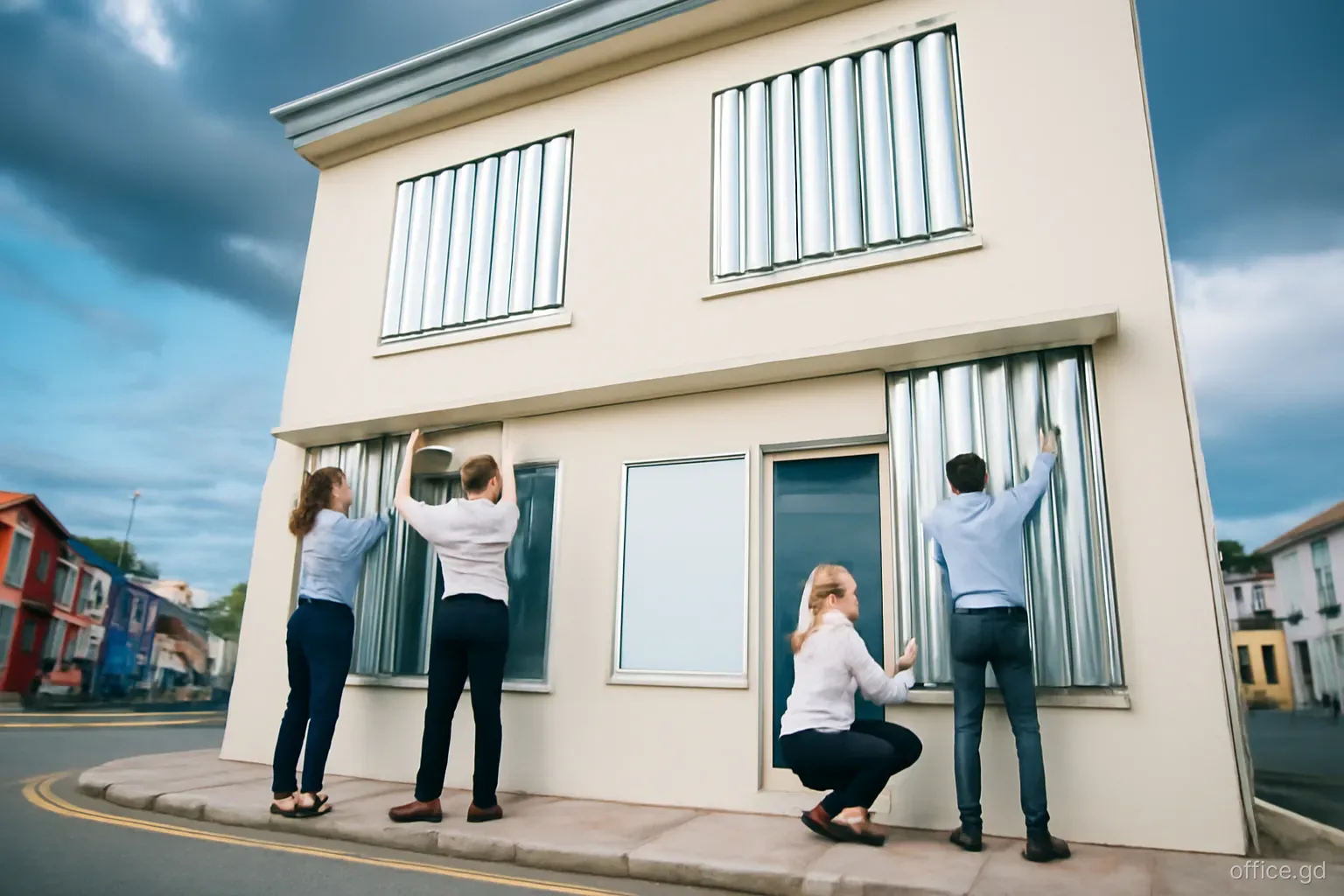
Secure the premises. Install shutters or boards, bring in outdoor furniture and signs, unplug and raise equipment, cover computers and files with plastic, and move valuables and records to an interior room away from windows.
Protect data. Run a final backup, take laptops home or to a safe place, and shut down servers properly.
Cash and payments. Bank cash, as ATMs and card systems may be unavailable for days after a storm, and keep a small float in a secure location. Pay staff before the storm if payroll is due.
Communicate. Post a short message to customers about closure and reopening plans, and set an out-of-office reply. Keep messages factual and avoid promising reopening dates you cannot meet.
After the storm: reopening
Safety comes first. Do not enter a damaged building until it is safe to do so. Watch for downed power lines, which are a common danger after storms in Grenada, and for structural damage, gas leaks and contaminated water. Follow NaDMA and police instructions on curfews and access.
Document damage thoroughly before cleaning up, with photographs and video, and notify your insurer as soon as possible; claims after a major storm are handled in a queue, and early notification helps. Keep receipts for emergency repairs and temporary measures, such as tarpaulins and pumps, as these may be recoverable under the policy.
Check on staff before worrying about operations. After a major hurricane, employees may have lost homes or be caring for family members. Flexible arrangements and practical help, such as advances on pay, build loyalty that lasts long after the clean-up. Then work through restoring power, water and internet; if the office is unusable, the business continuity plan should name a fallback, such as working from home, a temporary space or a partner's office.
Business continuity planning
A continuity plan does not need to be a long document. For a small business, two or three pages answering a few questions are enough: what are the critical activities that must keep going; which staff, systems and suppliers do they depend on; where could the business operate if the office were unusable for a month; and who decides and communicates.
Cloud-based accounting, email and file storage have made continuity far easier. A business that can operate from laptops anywhere with an internet connection is in a much stronger position than one dependent on a single server in a back room. Keep important records, including the company minute book, leases, insurance policies and tax filings, scanned and stored off-island.
Think about suppliers and customers too. A storm that affects Grenada may also disrupt shipping and flights for weeks, and customers may defer spending. Maintaining a cash reserve, an overdraft facility arranged in advance, and good relationships with your bank and key suppliers all help a business survive the slow weeks after a storm.
Staff and the human side of preparedness
Plans fail when only one person knows them. Walk the whole team through the storm procedure at the start of each season: who closes the office, who installs shutters, who takes the laptops and records home, and how everyone will check in after the storm. Rotate responsibilities so the plan still works if a key person is off-island or caring for family.
Agree how you will communicate if mobile networks are congested or down. A group message on a common app, a fallback of text messages, and a pre-agreed rule such as "if you cannot reach anyone, wait for a message before coming in" reduce confusion. Remind staff that their own homes and families come first; an employee who feels obliged to secure the office while their own roof is at risk is placed in an unfair position.
After the season ends in November, hold a short review. What worked, what did not, what needs replacing? Writing down the answers turns one season's experience into next year's plan.
Mistakes businesses make
The most damaging mistake is under-insurance: policies that exclude windstorm, contents values never updated, or deductibles so high that a moderate claim pays almost nothing. Read the policy before the season, not after the storm.
Another is relying on a single backup in the same building. An external drive sitting next to the computer it backs up will be lost in the same flood. Use cloud storage or keep a copy off-site.
A third is assuming that a storm passing to the north or south means no impact. Heavy rain, flooding and landslides can cause serious damage without a direct hit, and the weeks of the season after August are often the most active. Keep preparations in place through November.
Frequently asked questions
When is hurricane season in Grenada?
The Atlantic hurricane season runs from 1 June to 30 November. Grenada was long seen as lying at the southern edge of the main hurricane belt, but Ivan in 2004 and Beryl in 2024 showed that serious storms do reach the island. Prepare every year.
Does business insurance in Grenada cover hurricane damage?
Many property policies include windstorm cover, but terms vary and some exclude or limit it. Windstorm deductibles are often a percentage of the insured value. Flood and business interruption cover may be separate. Read your policy and discuss gaps with your insurer before the season.
Should staff be paid if the office closes for a storm?
Practice varies and the law on pay during closures depends on circumstances and contracts. Many employers pay staff for short storm closures to maintain goodwill. Check employment contracts and the Employment Act, and agree a policy in advance so staff know what to expect.
Who issues official storm warnings in Grenada?
The Grenada Meteorological Service issues local weather warnings and the National Disaster Management Agency coordinates preparedness and response. Regional forecasts from the US National Hurricane Center are widely followed. Rely on official sources rather than social media rumours.
How can a small business keep working after a hurricane?
Keep data in the cloud, have laptops that staff can take home, maintain a cash reserve and arrange a fallback location in advance. A short written continuity plan naming critical tasks, responsible people and alternative arrangements makes reopening faster.