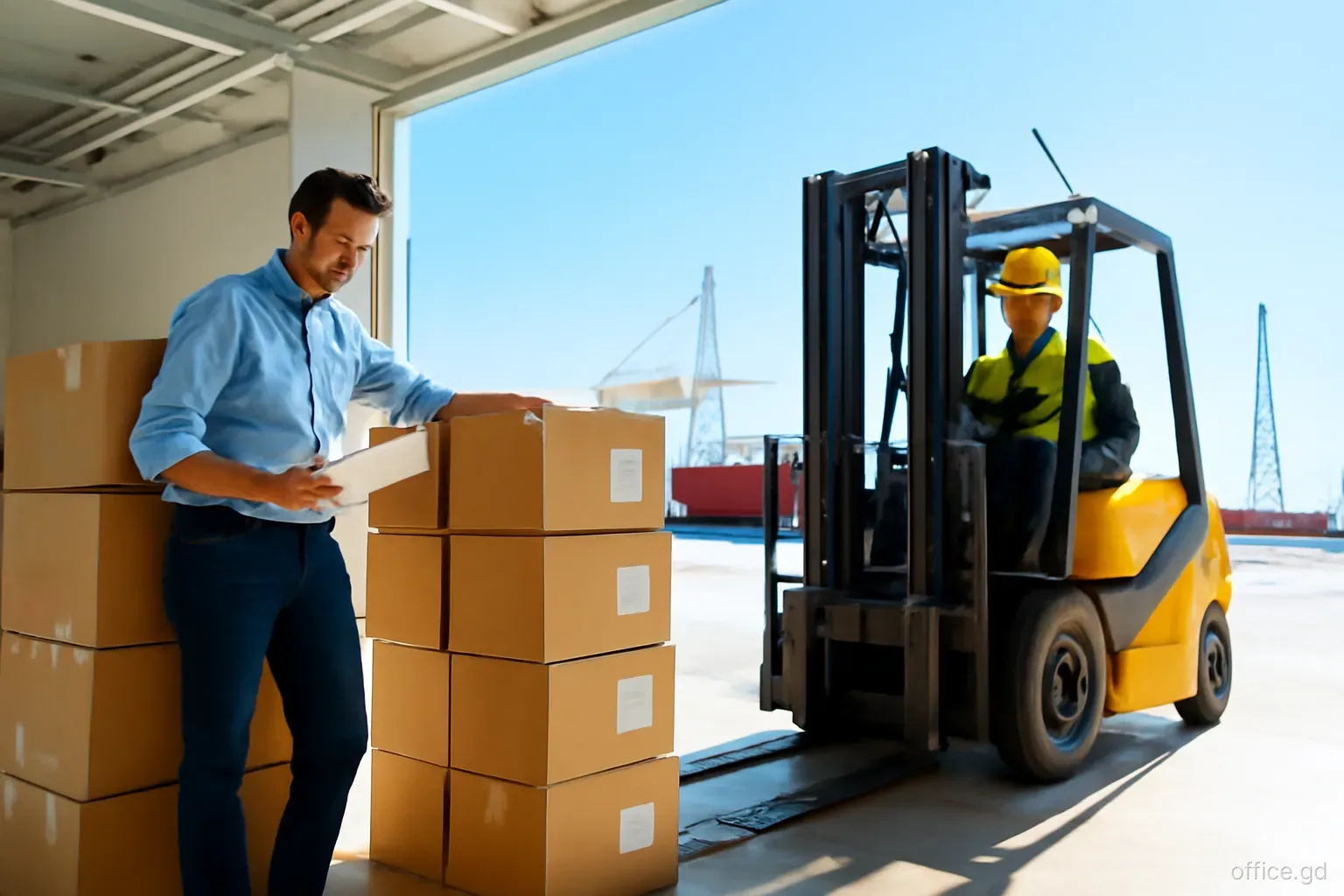
Grenada imports most of what its shops, restaurants, builders and farms use, from flour and frozen chicken to roofing sheets, solar panels and spare parts. For a local importer, paying the supplier in Miami, Port of Spain, Panama or Shenzhen is a routine but expensive part of the business: currency conversion, wire charges and the time money spends in transit all bite into margins, and a payment sent to the wrong place can wipe out months of profit.
This article looks at the practical options for paying suppliers abroad from a Grenadian business account, how the timing of payment interacts with shipping and customs, and the safeguards that protect importers from fraud and disputes. It complements, rather than repeats, general guidance on how international wires reach and leave Grenada; the focus here is the importer's routine.
Ways to pay, from most to least common
International wire transfer. The standard method for larger orders. Your bank converts EC dollars into the supplier's currency, usually US dollars, and sends the payment through its correspondent banks. Fees are charged by your bank and often by intermediary banks too, and the supplier may receive less than you sent unless charges are arranged otherwise.
Business credit or debit card. Convenient for smaller orders from online suppliers and for urgent purchases. Card limits, foreign transaction charges and the issuing bank's conversion rate apply. Card purchases can offer dispute rights that a wire does not.
Supplier trade credit. Established relationships often move from payment in advance to terms such as payment within 30 days of invoice or shipment. This is the cheapest finance an importer can get, but it has to be earned with a record of reliable payment.
Documentary credit. A letter of credit, issued by your bank, promises payment to the supplier once specified shipping documents are presented. It protects both sides on large or first-time orders but involves bank fees, paperwork and usually security or credit approval.
Freight forwarder or buying agent. Some small importers pay a Miami-based forwarder or agent who buys on their behalf. This simplifies logistics but adds a party who holds your money, so choose with care.
Currency, conversion and the real cost
The EC dollar is fixed to the US dollar at EC$2.70 to US$1, but that is the central rate, not what a business pays. Commercial banks sell US dollars at a rate slightly above the peg and buy them slightly below, and the difference is part of the cost of every import payment. For purchases in euros, sterling or other currencies, the rate moves daily and the bank's margin may be wider.
To compare the true cost of a payment, add up the conversion margin, your bank's outgoing wire fee, any intermediary deductions and the supplier's incoming fee if they pass it to you. Importers who hold a US dollar account, funded from US dollar receipts such as sales to hotels or yachts that pay in US dollars, can sometimes avoid converting twice. Ask your bank about the fee for outgoing wires, whether rates are better for larger amounts, and whether it can quote the exchange rate before you commit. These terms change, so confirm them at the time of each significant payment rather than relying on last year's figures.
Build the conversion cost into your pricing. An importer who calculates landed cost using the 2.70 peg, and forgets bank margins and wire fees, will consistently underprice goods by a small percentage that adds up over a year. A simple landed-cost sheet for each shipment, listing supplier invoice, conversion, bank charges, freight, insurance, duties and broker fees, shows the true cost per unit and keeps selling prices honest.
A safe routine for each international payment
Write this down and make it the standard process, so that nobody is tempted to shortcut it on a busy day.
- Pay only against a written invoice or pro forma invoice that matches the agreed order, quantities, prices and delivery terms.
- Check the beneficiary name, bank name, account number, SWIFT code and any routing or intermediary details against the supplier's records you have used before.
- If any bank detail is new or changed, verify it by calling the supplier on a number you already have, never one in the email that announced the change.
- Have a second person approve the payment in online banking, comparing it with the invoice.
- Keep the bank's payment confirmation and send it to the supplier with the invoice number, so they can trace the funds.
- Record the payment, exchange rate and fees in your accounts and file the documents with the shipment record for customs and tax purposes.
Timing payments around shipping and customs
When you pay should depend on the trade terms agreed with the supplier and on your experience with them. Paying in full in advance to a new supplier carries the highest risk: if goods are not shipped, or arrive damaged or short, your leverage is gone. A common compromise is a deposit with order and the balance against proof of shipment, such as a bill of lading or airway bill.
Remember that the supplier's invoice is only part of the cost. Goods landing at the St George's port or Maurice Bishop International Airport must be cleared through the Customs and Excise Division, with duties, taxes and charges payable before release, and freight, insurance, broker fees and port or storage charges on top. Customs uses the ASYCUDA electronic system, and a customs broker usually handles the declaration. Your cash plan should cover all of this, since containers left in port while you find money attract storage costs. Keep invoices, packing lists and payment proof consistent; customs valuation is based on the transaction value, and mismatches cause delays.
Fraud and dispute warning signs
International supplier payments are a favourite target for fraud because sums are large and recovery from abroad is difficult. Stop and check if you see:
- An email saying the supplier has changed banks, often with urgency attached, especially if the new account is in a different country or name.
- Small changes in the sender's email address or domain that are easy to miss on a phone screen.
- A new supplier found online with prices well below the market and a demand for full payment by wire before shipment.
- Pressure to pay a personal account rather than a company account.
- Invoices that differ in layout, wording or bank details from previous ones from the same supplier.
- A request to pay an unexpected extra fee for release of goods, customs or insurance, payable to a third party.
Building better terms over time
The importers who pay least for international payments tend to be those who negotiate. Consolidating orders into fewer, larger payments cuts wire fees per dollar. Agreeing in writing who bears bank charges avoids short payments being added to your next invoice. After a year or two of reliable payment, asking for 30-day terms, or for a credit limit with the supplier, frees cash that would otherwise be locked up in transit.
Your own bank can help too. A relationship officer who understands your import cycle may offer better exchange rates on larger amounts, a facility to finance stock between payment and sale, or documentary credit for a significant new supplier. Keep records of your payment history, fees and exchange rates for a year; they make the case for better terms in conversations with both your suppliers and your bank, and they show quickly where the money is actually going.
Hurricane season deserves a place in the plan as well. Shipping schedules tighten and freight can be delayed when storms threaten the region, so importers of essentials such as building materials, water storage tanks and generators often order earlier in the year. Paying for that stock ties up cash for longer, which makes supplier credit, a stock finance facility from your bank, or simply a larger cash buffer more valuable between June and November.
Frequently asked questions
What is the cheapest way to pay a US supplier from Grenada?
It depends on the amount. For small purchases a card may be cheapest; for larger orders an international wire is standard. Compare the bank's conversion rate, wire fees and intermediary charges, and consolidate orders where possible to reduce fees per transaction. Confirm current fees with your bank.
Are letters of credit used by small Grenadian importers?
They are used mainly for large or first-time orders where both sides want protection. Letters of credit involve bank fees, detailed document requirements and usually credit approval, so they are less common for small routine orders. Your bank's trade finance team can explain the costs and process.
Why did the supplier receive less than was sent?
Intermediary banks in the payment chain sometimes deduct fees, and the receiving bank may charge too. Ask your bank which charge option was used and whether the payment can be sent with charges covered by the sender. Agree with the supplier in advance who bears these costs.
When should an importer pay a new overseas supplier?
Ideally not entirely in advance. A deposit with order and the balance against shipping documents limits the risk. For larger first orders, consider a letter of credit, a small trial order or an inspection service before releasing full payment.
What records does customs need for imported goods?
Customs generally requires the commercial invoice, packing list, bill of lading or airway bill and other documents depending on the goods, such as certificates or permits. Keep payment records consistent with the invoice, since customs valuation relies on the transaction value. A licensed customs broker can confirm current requirements.